(SBS TV Report, February 13, 2013) The 'Bottomless Pit' of the Special Occupational Pension Schemes — Until When? (Posted September 16, 2013)
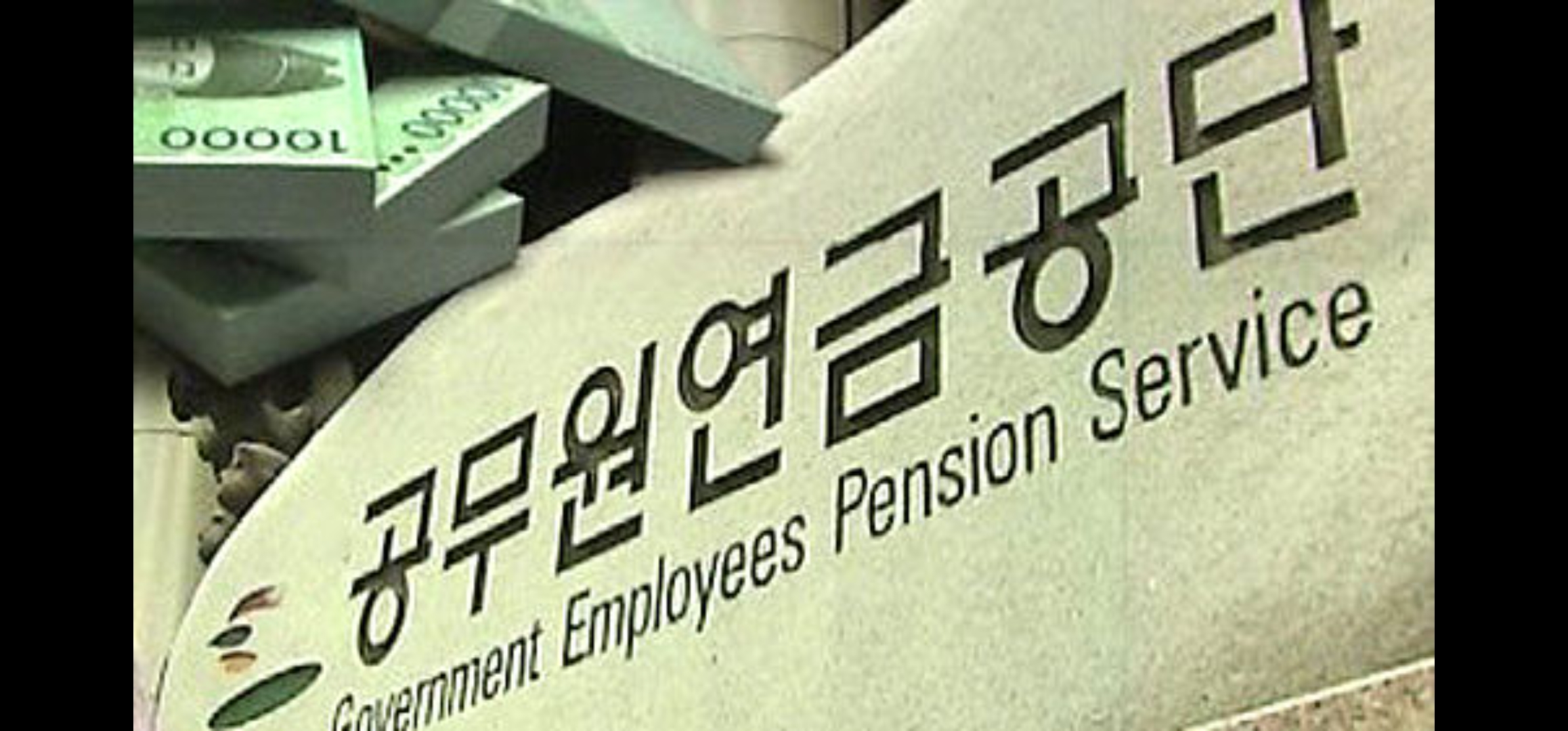
[Anchor] The special occupational pension schemes for civil servants, military personnel, and private school teachers have long been in deficit. However, because the deficits of these pension funds are to be covered by taxes, a fairness controversy is arising. Reporter Lee Min-ju brings us a series examining the reality and illusions of public pensions.
[Reporter] A civil servant in his 22nd year of service, currently serving as a Grade 5 official in a central government ministry. Immediately upon retiring at age 60, he will receive between 3.2 million won and 3.5 million won per month from the Government Employees Pension.
[Mr. A / Civil Servant in 22nd Year: It may not be lavish, but compared to beneficiaries of the general National Pension, I feel less anxious and believe that life in old age will be manageable if I live frugally.]
An office worker who contributed to the National Pension for the same period receives a monthly amount ranging from 500,000 won to just over 1 million won. The start date for pension payments is also about five years later than for civil servants. Comparing the pension amount to average wages, the rate is 70% for civil servants, but only 51% for National Pension contributors.
[Dr. Bae Jun-ho / Dean of Graduate School at Hanshin University: Because the benefit level is high compared to the National Pension, it is certainly true that the current difference in benefits is too large when viewed from the perspective of our citizens who seek equity.]
The Government Employees Pension fund has already been in deficit since 2002.
The problem is that under current law, the Government Employees Pension fund is covered by taxes regardless of how large the deficit becomes. Last year alone, 1.5 trillion won in taxes were injected for deficit subsidy. Similarly, the Military Pension, whose deficit is also covered by the national treasury, has seen its fund depleted since 1977, with hundreds of billions to over 1 trillion won in taxes injected every year.
[Jung Yong-cheon / Spokesperson for the Korean Government Employees Union: The Government Employees Pension reflects low pay levels and the fact that the severance pay system does not apply, nor do they receive any coverage from industrial accident or employment insurance. Because it has a nature of ex post compensation, it is not right to simply compare it with the National Pension.]
[Yun Suk-myung / Research Fellow at the Korea Institute for Health and Social Affairs: The Government Employees Pension, Private School Teachers Pension, and National Pension schemes were established reflecting the socio-economic environment of South Korea in the 1960s. Since life expectancy has increased by more than 20 years since then, there are many factors contributing to financial instability.]
As the fairness controversy grows, discussions on pension reform to integrate all pensions into the National Pension seem inevitable. There are strong voices arguing that, at the very least, the preferential provisions that cover the deficits of special occupational pension funds with taxes must be reworked.
Source: SBS News
Original link: https://news.sbs.co.kr/news/endPage.do?news_id=N1001626382&plink=COPYPASTE&cooper=SBSNEWSMOBEND