
(Joseilbo) The Paradox of the ‘1958 Year of the Dog’ Generation — More Basic Pension Recipients, Yet a Falling Take-Up Rate? (January 6, 2026)
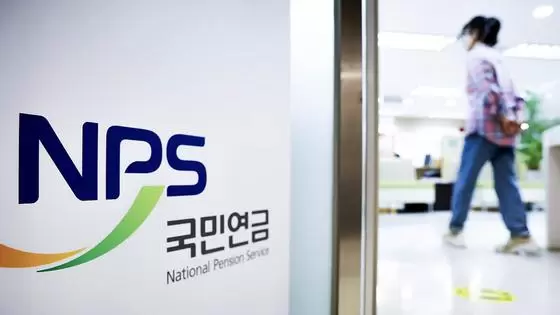
◆…The photo shows the National Pension Service’s Seoul Northern Regional Headquarters in Seodaemun-gu, Seoul. Photo: Yonhap News
With the elderly population growing rapidly, the number of Basic Pension recipients has reached its highest level since the scheme was introduced.
However, the number of new recipients actually fell, and the Basic Pension take-up rate declined.
In particular, the entry of the baby boomer generation, centered on those born in 1958, was identified as a key factor behind this change.
According to “The 2024 Basic Pension in Statistics,” released by the Ministry of Health and Welfare on the 6th, Basic Pension recipients this year numbered 6,758,000, up 250,000 from the previous year and the most since the scheme was launched in 2014.
The Basic Pension provides up to 349,000 won a month to older people aged 65 and over in the bottom 70% by income. Even those who meet the income criteria, however, receive it only after going through an application process.
As of 2024, the Basic Pension take-up rate was 66.0%, the lowest level since 2016.
After peaking at 67.6% in 2021, it fell to 67.4% in 2022 and 67.0% in 2023, declining for four consecutive years through 2024. This means that many older people still do not receive the pension despite being eligible, for reasons such as not applying.
In particular, as the baby boomer generation began to be fully included among those eligible for the Basic Pension from 2023, the take-up rate fell despite the surge in population.
In 2024, the total population aged 65 and over was 12.34 million, up 525,000 from the previous year, but Basic Pension recipients increased by only 250,000. This is a much smaller increase than in 2021, when Basic Pension recipients grew by 313,000.
The Basic Pension covers all older people in the bottom 70% by income, but the actual take-up rate remains in the 60% range.
Many avoid applying because they are reluctant to have their income and assets revealed, and members of the special occupational pension schemes, such as civil servants, school staff, and military personnel, are excluded from eligibility at the outset.
On top of this, a growing number of relatively well-off baby boomers decided that they “do not need to receive the Basic Pension” and did not apply, which is analyzed to have accelerated the decline in the take-up rate.
Yun Suk-myung, Research Fellow Emeritus at the Korea Institute for Health and Social Affairs and a former President of the Korean Pension Association,
explained, “The baby boomer generation is a financially comfortable group — the first since the Korean War to experience studying abroad, and active at general trading companies and the like,”
“and it appears that the take-up rate fell as more of them judged that they did not need the Basic Pension and did not apply.”
Meanwhile, the government plans to step up publicity for the Basic Pension and simplify the application process to close pension coverage gaps among older people. With the elderly population growing rapidly, detailed analysis of the factors behind changes in the take-up rate and discussions on improving the system are expected to continue.
[Copyright © Joseilbo. Unauthorized reproduction and redistribution prohibited]

